

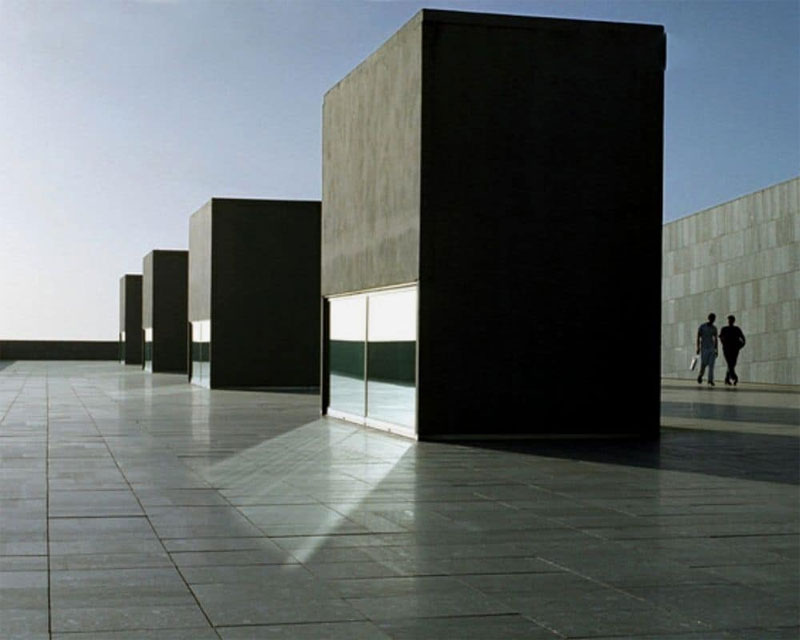
Which Material you can use for exterior wall cladding’ – Exterior wall cladding is a type of material, which is used to provide protection or extra skin to your walls. In the world of construction, they used it to provide weather resistance and thermal padding. This will also enhance the overall appearance of the exterior walls.
Materials like sandstone, Travertine, Slate, and Granite recommend for wall cladding. Although cladding is not totally waterproof, it works as a control element. It can prevent your building from infiltration.
Natural Stones come in many sizes, shapes, colors, and textures. The variety should be enough to convince you that stones are the most excellent choice based on visual values alone. In addition, stones are durable, and they can withstand even the harshest atmosphere for years to come. Unlike wood, stones aren’t damaged by humidity, and debris won’t do much to the exterior of your home other than chipping the surface of the stones a little bit.
It is not only to give extra protection, but cladding also serves as an element to control noise entering or escaping. Moreover, by design, it also helps to prevent or slow down the spread of fire.
1. Sandstone-
It is a natural choice when it comes to wall cladding. Due to its durability, many homeowners choose this type of natural stone, especially outdoors.
As it is durable, sandstone is more porous than other natural stones such as granite. Sandstone is about the same as marble in terms of how much water it will absorb. Still, it’s a popular tile for exterior wall cladding, adding warmth to the outdoor space. The best options for sandstone are exterior or interior wall cladding. That means sandstone can work pretty much wherever you need it. Further, Sandstone is a great wall tile choice for any room in your home.
2. Travertine-
They are using this natural stone in the construction of buildings for thousands of years. In today’s construction, travertine is used for flooring, cladding on buildings, and wall coverings. It comes in many different colors including beige, walnut, brown, red, ivory, and gold.
Creating a unique look with travertine stone is simple. once sealed, the color does not fade and it stands the test of time. Mix and match with other natural stones for a more dramatic look and feel. Or, use it alone for sheer. The stone is quite porous in its natural texture making it very slip-resistant and therefore an excellent choice for patios, pool decks, and shower floors. This natural beauty gained its popularity mainly because of its rustic classy look and high level of durability.
3. Slate–
Slate is a fine-grained metamorphic stone, this is the optimal building material for both interior and exterior cladding. Due to its elegant and stylish appearance, high durability, excellent water resistance, and low maintenance, slate has become a stand-out architectural element in modern design.
Small samples from your manufacturer will show the typical colors and textures of these aforementioned types of stone. However, they may not properly elucidate the natural variations that are present in large-format stone panels. For this reason, it is extremely beneficial to examine precedents and case studies that harness stone from the particular quarry.
4. Granite-
Granite is a coarse-grained stone made up of interlocking crystals. It is one of the most widely occurring stones in the world and extremely popular building material for both interior and exterior cladding applications. Granite is famous for its durability and the permanence of its color and texture
Granite is easy to maintain and has an aesthetic appeal to it. Even though they are usually dark in color, they add much charm and sophistication to the exterior of the home. Granite wall cladding not only protects your home but also makes the house look trendy and elegant. Therefore Granite wall cladding is both, functional as well as a design component.
Aesthetics
The aesthetics of the material depends, how the stone is mined, processed, and concluded.
Color- Granite is available in thousands of colors and limestone ranges from white to black, though gray is predominant. If you have a particular color in mind, consult with your manufacturer early on and ask them what colors may be available and suitable for your project.
Pattern- Similar to color, there is extensive natural variation in the patterns and veining of different stones.
Texture and Finish- The texture of the stone is also extremely varied, ranging from coarsely fragmented to finely grained and completely smooth. Some of the most common terms that you will come across in your material search are polished, honed, and sandblasted.
Maintenance- It is significant to keep the stone clean in order to avoid cracking over time. In addition, certain stones may break down or become slick with the oxidizer deposits. In advance of construction, consult with your manufacturer to understand the maintenance requirements of a particular stone.
Advantages
External wall cladding has many advantages. First and most important, it saves the walls from additional withering. The weather damage can minimize to quite an extent with the help of the right external wall cladding materials. It is also a great measure for insulation and for temperature control and enhances the acoustics of the structure.
In addition, given the basic increase in pollution, structures these days have to endure a lot of dust and dirt. With the right cladding stone materials, you get the much-needed additional cover for your structure.
Conclusion
Natural stones such as Sandstone, Granite, Travertine, and Slate recommend for stone wall cladding. While the attractiveness of granite for stone cladding is due to its durability and availability in a number of shades and surface design patterns. Sandstone cladding is generally preferred for its weathered, natural looks.
Sandstone wall cladding is usually favored for exterior wall cladding by those people, who want to give a neo-classical look to their homes. Equally, slate is useful for exterior wall cladding due to its durability and availability in dark shades that are best suited for modest plans.
Stones are magnificent construction materials, as well as speculations as they upgrade the resale value of your house. You might be surprised that even residents search for homes with present-day courtesies and stylish designs. Be that as it may, utilizing natural stone facades excessively is likewise not prompted as they make your home look crowded. Introducing just where they are required is a sensible choice which spares time, money, and moreover makes your residence look ideal.
Whatever natural stone you choose to install for the exterior wall cladding, keep in mind the weather conditions of your area and accordingly determine which natural material is best suitable for your home.